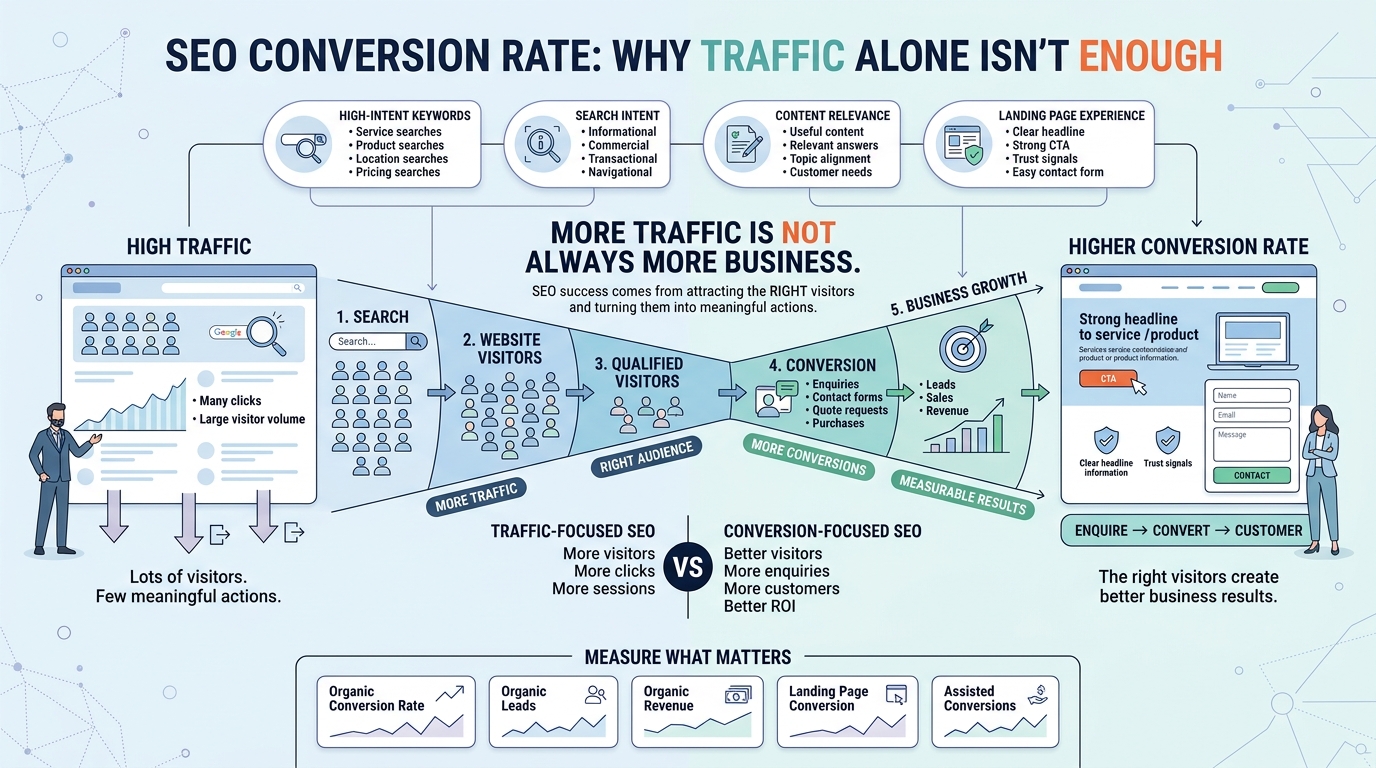
Many website owners and marketers believe that finding the right keywords is the most important part of SEO. While keyword research remains an essential component of search engine optimization, it is no longer enough on its own to achieve high rankings.
Every day, thousands of blog posts are published targeting valuable keywords. Yet only a small percentage of those articles ever reach the first page of search engine results. Many blogs are written around relevant keywords but still struggle to attract organic traffic.
This often leaves business owners wondering why their content is not performing despite following common SEO advice.
The reality is that modern search engines evaluate much more than keyword placement. Search engines aim to deliver the most relevant, useful, and trustworthy content to users. As a result, blogs that focus only on keywords while ignoring other ranking factors frequently fail to achieve meaningful visibility.
Understanding the reasons behind poor blog performance can help businesses create stronger content strategies and improve long-term SEO results.
Keywords Alone Do Not Guarantee Rankings
Years ago, simply including a target keyword multiple times within an article could improve search rankings. Modern search algorithms have become far more sophisticated.
Today, search engines analyze:
- content quality
- user intent
- topic relevance
- website authority
- user experience
- engagement signals
A blog post may contain the perfect keyword, but if the content fails to satisfy user expectations, rankings will often remain low.
Successful SEO requires a comprehensive approach that goes beyond keyword optimization.
Search Intent Matters More Than Ever
One of the biggest reasons blog posts fail to rank is a mismatch between content and search intent.
Search intent refers to the reason behind a user’s search query.
For example, someone searching for:
“best SEO tools”
is likely looking for recommendations and comparisons.
Someone searching for:
“how SEO works”
is probably seeking educational information.
If a blog targets the correct keyword but provides the wrong type of content, search engines may consider the article less relevant than competing pages.
Understanding user intent helps content creators produce information that better matches audience expectations.
Thin Content Often Struggles to Compete
Many blog posts fail because they provide only basic information.
Thin content may include:
- short articles
- repetitive information
- limited explanations
- lack of practical value
Search engines generally favour content that provides comprehensive answers and meaningful insights.
High-ranking articles often cover topics in greater depth while addressing related questions and concerns.
Publishing longer, more informative content can improve a blog’s ability to compete in search results.
Poor Content Structure Affects Readability
Even valuable information can perform poorly if it is difficult to read.
A well-structured blog typically includes:
- clear headings
- logical sections
- short paragraphs
- bullet points
- organized formatting
Poor structure can make content overwhelming and discourage visitors from continuing to read.
User engagement often improves when information is presented clearly and efficiently.
Lack of Topical Relevance
Search engines increasingly evaluate how well content fits within a broader topic.
Publishing isolated blog posts without supporting content can limit ranking potential.
For example, a website targeting SEO services may benefit from publishing content related to:
- keyword research
- technical SEO
- content optimization
- search intent
- website performance
A collection of related content helps establish topical relevance and demonstrates subject expertise.
Weak Internal Linking
Internal linking remains one of the most overlooked aspects of blog SEO.
Internal links help:
- connect related content
- guide visitors through the website
- distribute authority across pages
- improve content discovery
Without proper internal linking, search engines may have difficulty understanding relationships between pages.
Strategic internal links strengthen website structure and support better rankings.
Poor User Experience Can Hurt Rankings
Search engines want users to have positive experiences.
Common user experience problems include:
- slow loading pages
- intrusive popups
- difficult navigation
- mobile usability issues
- cluttered layouts
When visitors become frustrated, they may leave the website quickly.
A poor user experience can reduce engagement and negatively affect SEO performance.
Mobile Optimization Is Essential
Mobile devices now account for a significant portion of internet traffic.
A blog that performs well on desktop but poorly on mobile devices may struggle to rank competitively.
Mobile-friendly content should provide:
- responsive layouts
- readable text
- fast loading times
- easy navigation
Optimizing for mobile users helps improve both user satisfaction and search visibility.
Content Lacks Original Value
Many blogs fail because they simply repeat information already available elsewhere.
Search engines aim to provide users with the most useful results possible.
Content that offers:
- unique insights
- practical examples
- industry expertise
- original perspectives
often performs better than generic articles covering the same information.
Adding unique value helps distinguish content from competitors.
Weak E-E-A-T Signals
Google increasingly evaluates content through the lens of Experience, Expertise, Authoritativeness, and Trustworthiness (E-E-A-T).
Blogs that lack credibility may struggle to earn strong rankings.
Ways to strengthen E-E-A-T include:
- demonstrating industry knowledge
- providing accurate information
- citing reputable sources
- showcasing real-world experience
Trust plays an important role in modern SEO success.
Inconsistent Publishing Strategies
Many websites publish blog content sporadically.
An inconsistent publishing schedule can make it difficult to build topical authority and maintain audience engagement.
Regular content creation helps:
- expand topic coverage
- attract returning visitors
- strengthen search visibility
Consistency often contributes to long-term SEO growth.
Competition Is Stronger Than Expected
Some keywords are highly competitive.
Even well-written blog posts may struggle to rank when competing against:
- established brands
- authoritative websites
- industry leaders
Businesses should evaluate keyword competition and consider targeting specific long-tail opportunities where appropriate.
Balancing search volume and competition can improve ranking potential.
Content Is Not Updated Regularly
Search engines prefer accurate and relevant information.
Older blog posts that remain unchanged for years may gradually lose visibility.
Updating content helps:
- improve accuracy
- add new information
- maintain relevance
- address evolving search trends
Regular content maintenance supports stronger long-term performance.
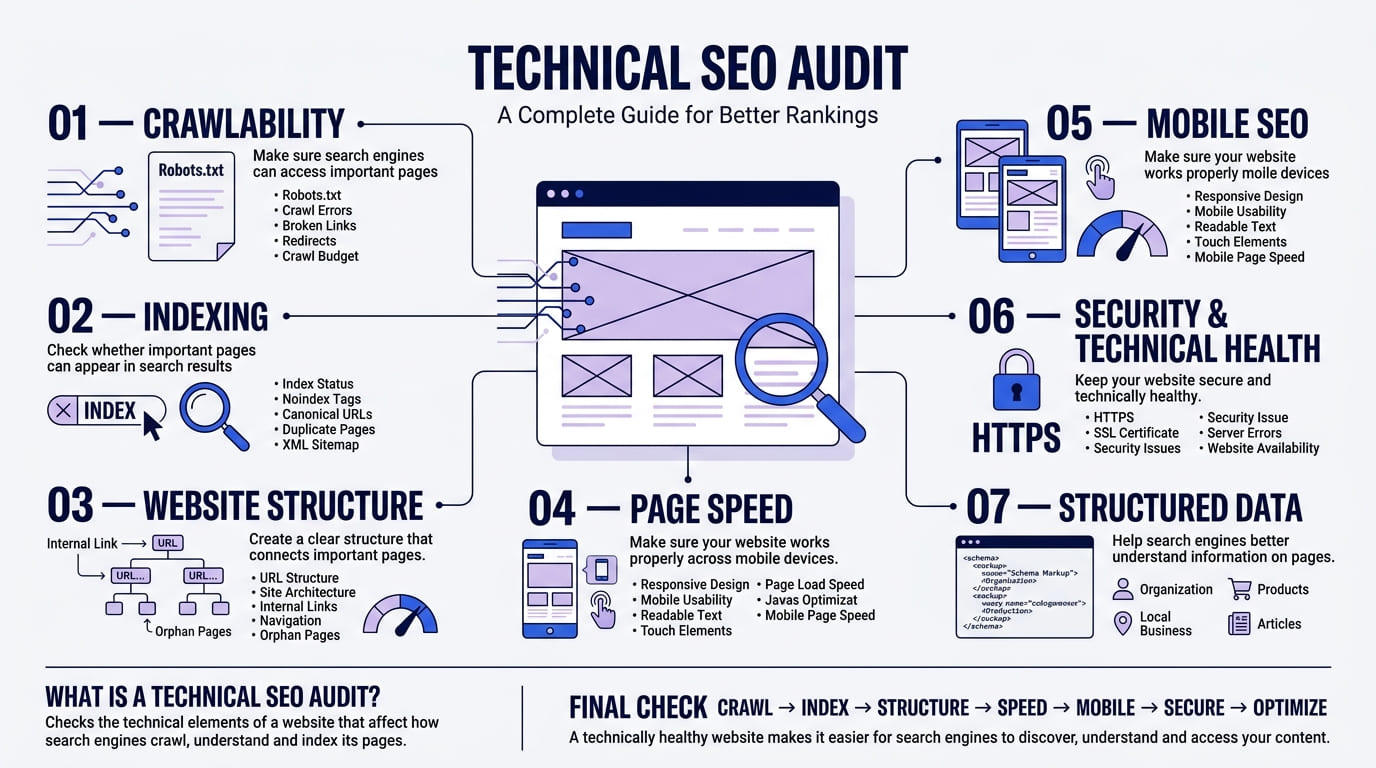
Technical SEO Issues Can Limit Visibility
Technical problems can prevent blog posts from reaching their full ranking potential.
Common issues include:
- crawl errors
- broken links
- indexing problems
- duplicate content
- slow website performance
Even high-quality content may struggle if technical SEO problems remain unresolved.
Routine technical audits help identify and correct these issues.
The Importance of a Complete Blog SEO Strategy
Successful blog SEO involves much more than choosing good keywords.
A complete strategy includes:
- keyword research
- search intent analysis
- content quality
- internal linking
- technical SEO
- user experience optimization
- authority building
When these elements work together, blog content has a greater chance of achieving strong rankings and sustainable traffic growth.
Conclusion
Many blog posts fail to rank despite targeting excellent keywords because modern SEO requires more than keyword placement alone. Search engines evaluate content quality, user intent, relevance, authority, technical performance, and overall user experience.
Businesses that focus only on keywords often overlook the factors that truly influence search visibility. By creating valuable content, understanding audience needs, improving website structure, and maintaining strong SEO practices, organizations can significantly increase their chances of ranking successfully.
The most effective blog SEO strategies combine quality content with a comprehensive approach that prioritizes both users and search engines.
More Info
https://developers.google.com/search
FAQs
1. Why do blog posts fail to rank even with good keywords?
Many blogs fail because they do not fully satisfy search intent, lack depth, or have technical and user experience issues.
2. Is keyword research still important for SEO?
Yes. Keyword research remains important, but it must be combined with high-quality content and proper SEO practices.
3. What is search intent in SEO?
Search intent refers to the reason behind a user’s search and the type of information they expect to find.
4. How does internal linking help blog SEO?
Internal links help search engines understand content relationships and improve navigation for users.
5. Can updating old blog posts improve rankings?
Yes. Refreshing content can improve relevance, accuracy, and overall SEO performance.