Many businesses invest significant time and resources into improving their search engine rankings. They publish new blog articles, optimize keywords, build backlinks, and enhance website design with the expectation that these efforts will deliver long-term SEO success. However, despite these investments, some websites gradually experience declining rankings, reduced organic traffic, and fewer online enquiries.
In many cases, the problem is not the quality of the content or the products and services offered. Instead, the website may be developing hidden technical issues that search engines and users notice before the business owner does. Broken links, slow page loading speeds, indexing problems, outdated content, duplicate metadata, and poor user experience can all contribute to declining SEO performance.
This is why regular SEO audits are essential. Rather than waiting until rankings begin to drop, businesses should routinely evaluate the health of their websites to identify opportunities for improvement. A professional SEO audit provides valuable insights into technical, on-page, and user experience issues that may be limiting a website’s search performance.
What Is an SEO Audit?
An SEO audit is a comprehensive evaluation of a website’s ability to perform well in search engines. It reviews multiple aspects of a website to identify issues that may affect visibility, user experience, and search engine rankings.
A complete SEO audit typically examines:
- Technical SEO
- Website speed
- Mobile responsiveness
- Crawlability
- Indexing status
- Internal linking
- Content quality
- Metadata
- Structured data
- User experience
- Security
- Core Web Vitals
The goal is to uncover hidden issues and provide recommendations that improve overall SEO performance.
Why SEO Performance Changes Over Time
SEO is not a one-time activity. Search engines constantly update their algorithms, user expectations continue to evolve, and websites naturally change as new content is published or existing pages are modified.
Even websites that once ranked well can gradually lose visibility if they are not maintained properly.
Common reasons include:
- outdated website content
- technical errors
- broken internal links
- changing search intent
- new competitors
- algorithm updates
- declining page performance
Regular SEO audits help businesses stay ahead of these changes.
Technical Issues Often Go Unnoticed
One of the biggest reasons SEO performance declines is because technical problems develop without being immediately visible.
Examples include:
- crawl errors
- indexing problems
- redirect chains
- duplicate URLs
- missing canonical tags
- server response issues
Visitors may still access the website normally, but search engines may struggle to crawl or understand the content efficiently.
Resolving technical SEO issues improves website accessibility for both users and search engines.
Website Speed Affects Rankings and User Experience
Website speed has become an important ranking factor and plays a significant role in visitor satisfaction.
Slow websites often experience:
- higher bounce rates
- shorter visit durations
- lower conversion rates
- reduced search visibility
An SEO audit evaluates factors that influence page speed, including:
- image optimization
- server response time
- caching
- JavaScript efficiency
- CSS optimization
Improving loading speed benefits both SEO performance and user experience.
Broken Links Create Poor User Experiences
As websites grow, broken links become increasingly common.
These may include:
- deleted pages
- incorrect URLs
- outdated internal links
- broken external references
Broken links create frustration for visitors and may reduce search engine confidence in the overall quality of a website.
An SEO audit identifies these issues so they can be corrected promptly.
Content Can Become Outdated
High-quality content is essential for long-term SEO success, but even excellent articles become outdated over time.
Information may no longer reflect:
- current industry practices
- updated statistics
- new technologies
- changing customer expectations
Search engines generally prefer content that remains accurate and relevant.
Regular content reviews are therefore an important part of any SEO audit.
Duplicate Metadata Can Reduce SEO Effectiveness
Title tags and meta descriptions help search engines understand individual pages.
When multiple pages share identical metadata, search engines may struggle to distinguish their purpose.
An SEO audit checks for:
- duplicate title tags
- duplicate meta descriptions
- missing metadata
- excessively long titles
- poorly optimized descriptions
Optimizing metadata improves search visibility and click-through rates.
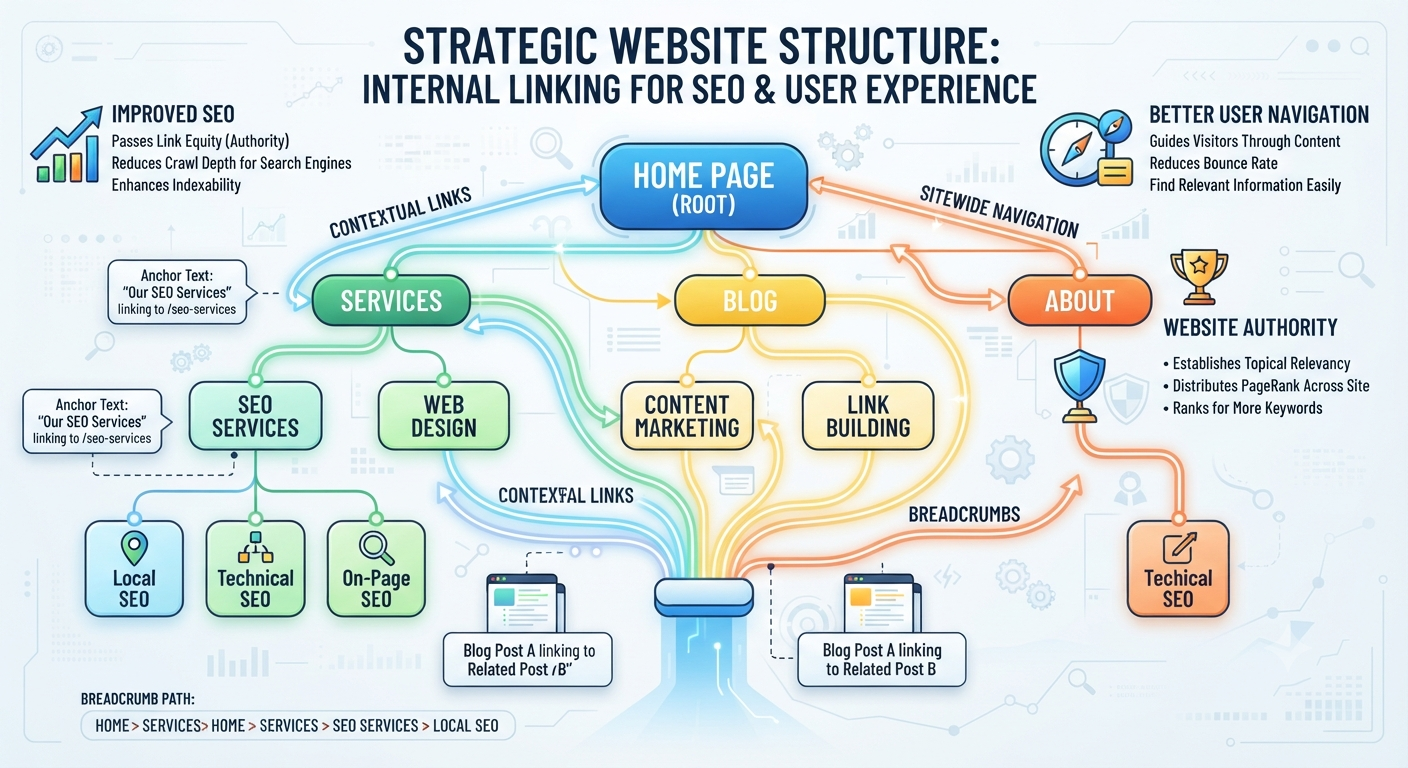
Internal Linking Supports Website Authority
Internal links help distribute authority throughout a website while improving navigation.
An audit evaluates whether:
- important pages receive enough internal links
- orphan pages exist
- anchor text is descriptive
- navigation supports SEO
A strong internal linking structure helps search engines understand relationships between pages and improves user engagement.
Mobile Optimization Remains Essential
With mobile devices generating a large share of website traffic, mobile usability directly influences SEO performance.
An audit reviews:
- responsive layouts
- mobile navigation
- touch-friendly design
- page loading performance
- readability
Providing a positive mobile experience helps improve both rankings and visitor satisfaction.
Crawlability and Indexing Problems
A website cannot rank if search engines cannot properly crawl and index its pages.
Common issues include:
- blocked pages
- incorrect robots.txt settings
- noindex tags
- XML sitemap errors
SEO audits identify these problems and recommend appropriate solutions to ensure important pages remain discoverable.
User Experience Influences SEO
Search engines increasingly evaluate how users interact with websites.
Factors such as:
- easy navigation
- clear page layouts
- readable content
- intuitive menus
- fast loading times
all contribute to a positive user experience.
Improving usability encourages visitors to stay longer, explore additional pages, and complete desired actions.
Core Web Vitals Affect Search Performance
Google considers user experience an important ranking factor, and Core Web Vitals help measure how users interact with a website.
A professional SEO audit evaluates important performance metrics such as:
- Largest Contentful Paint (LCP)
- Interaction to Next Paint (INP)
- Cumulative Layout Shift (CLS)
Poor Core Web Vitals may indicate slow loading pages, delayed interactions, or unstable page layouts. Improving these metrics creates a smoother browsing experience while supporting stronger search visibility.
Website Security Supports SEO
Website security is another factor that contributes to SEO performance.
An SEO audit checks for security-related issues such as:
- expired SSL certificates
- mixed content warnings
- outdated CMS versions
- vulnerable plugins
- malware risks
Secure websites build user trust while reducing the likelihood of security problems affecting search rankings.
Structured Data Helps Search Engines Understand Content
Structured data provides additional information that helps search engines better understand website content.
An SEO audit reviews whether structured data has been implemented correctly for important content such as:
- articles
- FAQs
- local businesses
- services
- products
- breadcrumbs
Proper implementation can improve search visibility and increase opportunities for enhanced search results.
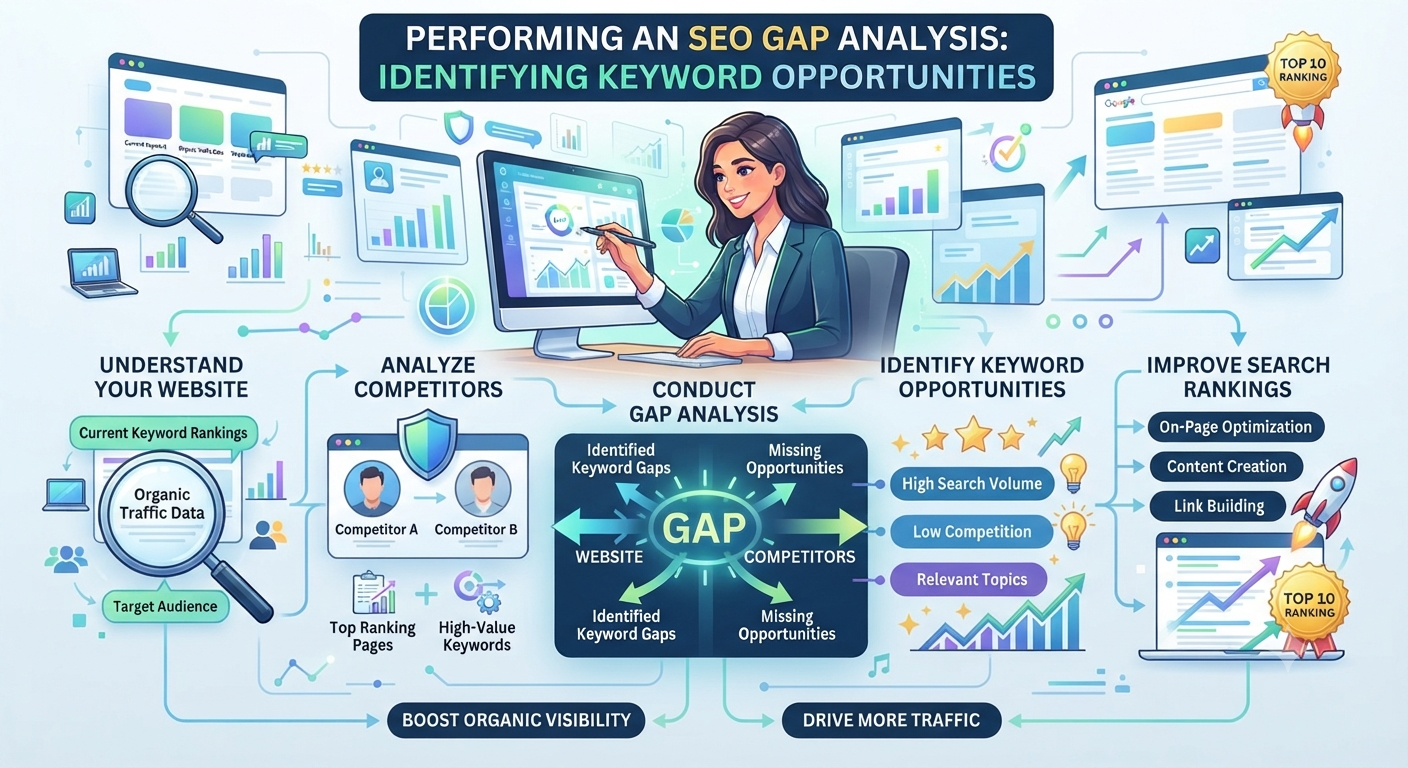
Identifying Content Gaps
Over time, businesses may overlook valuable topics that potential customers are actively searching for.
An SEO audit helps identify content gaps by evaluating:
- missing service pages
- unanswered customer questions
- underdeveloped topics
- keyword opportunities
- supporting blog content
Publishing content that addresses these gaps can strengthen topical authority and attract more relevant organic traffic.
Competitor Analysis Provides Valuable Insights
SEO success depends not only on your own website but also on understanding competitors.
A professional SEO audit compares your website against competing businesses by reviewing:
- keyword performance
- content quality
- backlink profiles
- page structure
- user experience
- technical optimization
These insights help businesses identify opportunities to strengthen their online presence and remain competitive.
Search Engine Algorithms Continue to Evolve
Search engines regularly introduce algorithm updates designed to improve search quality.
These updates may influence:
- ranking signals
- content quality requirements
- user experience expectations
- technical SEO standards
Without regular website audits, businesses may not realize that their websites no longer meet current best practices.
Routine audits help ensure websites remain aligned with evolving search engine guidelines.
Benefits of Regular SEO Audits
Businesses that perform regular SEO audits often experience numerous long-term benefits.
Improved Search Rankings
Resolving technical and on-page issues helps improve search engine visibility.
Better User Experience
Visitors enjoy faster, more reliable, and easier-to-navigate websites.
Higher Organic Traffic
Improved rankings increase opportunities to attract qualified visitors.
Increased Lead Generation
Well-optimized websites encourage more enquiries and customer interactions.
Reduced Technical Problems
Routine monitoring helps identify issues before they become major obstacles.
Stronger Website Performance
Continuous improvements support sustainable digital growth.
When Should You Perform an SEO Audit?
Although every website is different, businesses should generally consider performing an SEO audit:
- at least once or twice each year
- before launching major SEO campaigns
- after redesigning a website
- when rankings suddenly decline
- after significant Google algorithm updates
- before expanding website content
Regular audits provide valuable insights that help maintain consistent SEO performance.
Why Professional SEO Audits Are Better Than Automated Tools
Many free SEO tools provide basic website reports.
While these tools can identify certain technical issues, they often cannot provide complete strategic recommendations.
Professional SEO audits include expert evaluation of:
- technical website health
- keyword strategy
- content performance
- user experience
- conversion opportunities
- website architecture
- long-term SEO planning
This comprehensive approach enables businesses to prioritize improvements that deliver measurable results.
SEO Is an Ongoing Process
One of the biggest misconceptions about SEO is that it only needs to be completed once.
In reality, websites continuously evolve as:
- new content is published
- products and services change
- competitors improve
- search algorithms update
Regular SEO audits ensure websites continue performing effectively despite these ongoing changes.
Businesses that consistently monitor and improve their websites are generally better positioned for sustainable online growth.
Conclusion
SEO performance rarely declines because of a single issue. More often, it is the result of multiple small problems that gradually accumulate over time. Technical errors, outdated content, slow loading speeds, broken links, poor mobile usability, and changing search engine requirements can all reduce a website’s ability to compete in search results.
A professional SEO audit helps identify these hidden issues before they significantly impact rankings and organic traffic. By regularly reviewing technical SEO, website performance, user experience, content quality, and security, businesses can make informed improvements that strengthen their online presence.
Rather than treating SEO as a one-time project, successful businesses view it as an ongoing process of continuous improvement. Regular website audits provide the insights needed to maintain strong search visibility, improve user satisfaction, and support long-term digital growth.
More Info
FAQs
1. What is an SEO audit?
An SEO audit is a detailed evaluation of a website’s technical health, content, user experience, and optimization to identify issues that may affect search engine performance.
2. How often should an SEO audit be performed?
Most businesses should perform a professional SEO audit at least once or twice a year, or whenever major website updates or ranking changes occur.
3. Can an SEO audit improve Google rankings?
Yes. By identifying and resolving technical issues, improving content, and enhancing user experience, an SEO audit can contribute to stronger search engine visibility.
4. What problems can an SEO audit identify?
An SEO audit may uncover crawl errors, indexing issues, slow website speed, broken links, duplicate metadata, security concerns, and content optimization opportunities.
5. Why should businesses hire SEO professionals for website audits?
Professional SEO specialists provide expert analysis, strategic recommendations, and practical solutions that go beyond automated reporting tools, helping businesses achieve sustainable long-term SEO improvements.