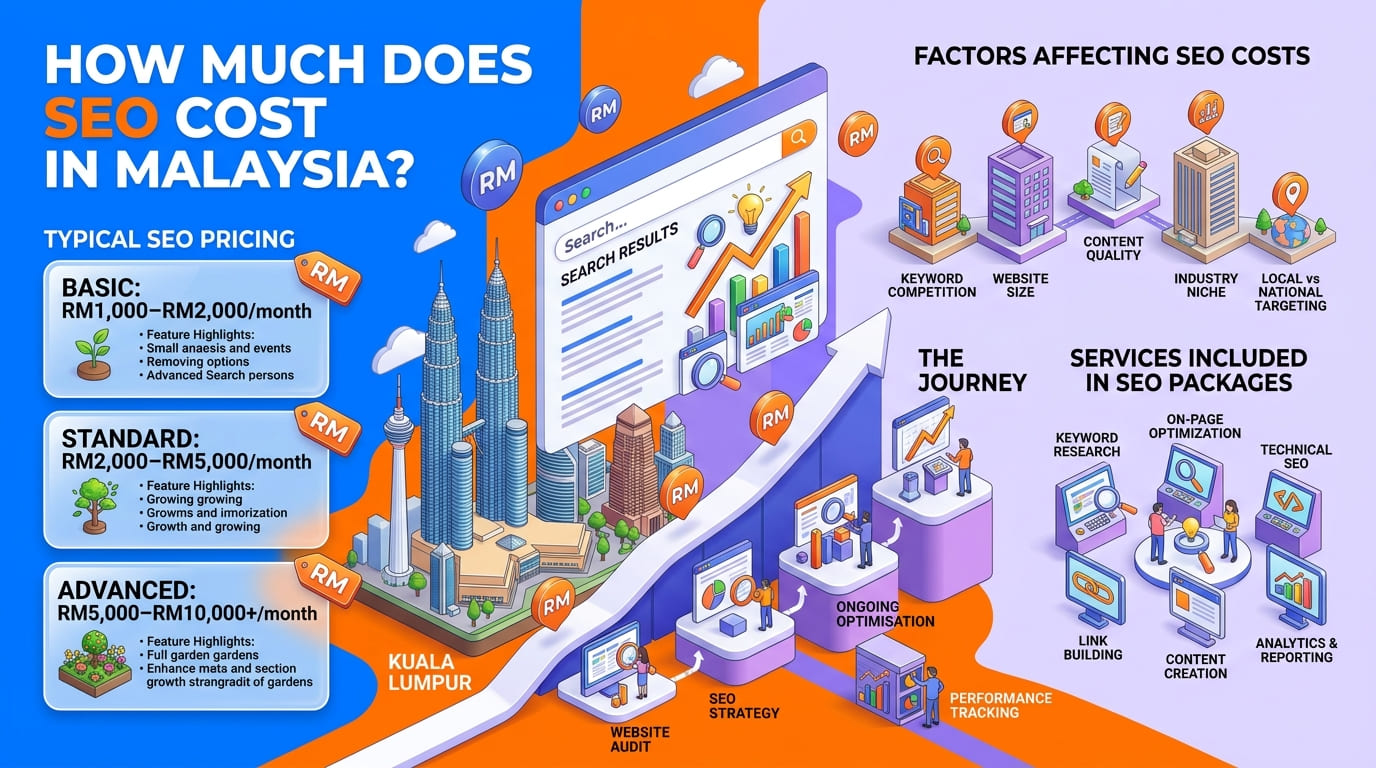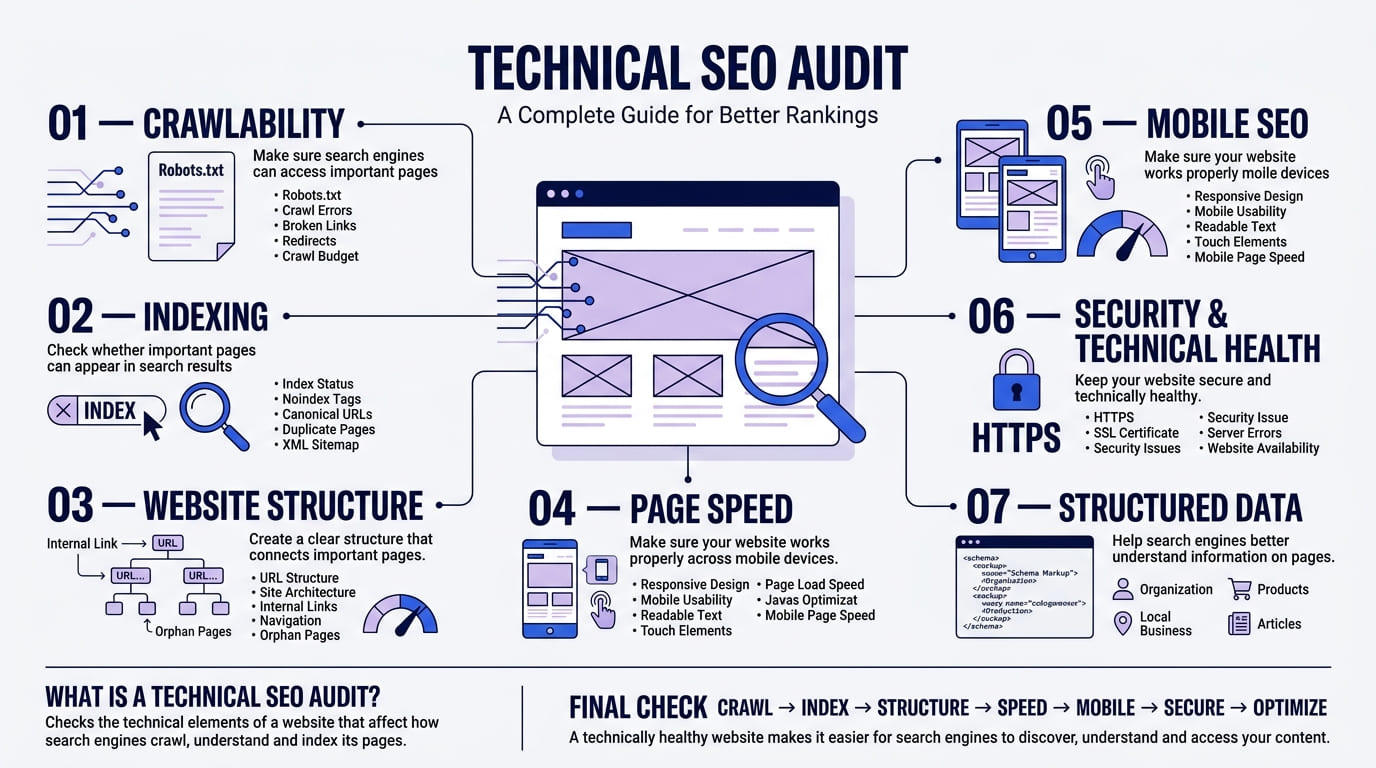
In today’s competitive online world, businesses need more than just a website or social media presence to succeed. Companies must find ways to reach the right audience, improve visibility, and generate consistent engagement online. This is where search engine marketing becomes one of the most important parts of digital marketing.
Search engine marketing combines strategies that help businesses appear in search engine results when users search for products, services, or information. Whether through search engine optimization (SEO) or paid advertising, these strategies help businesses attract targeted traffic and improve online performance.
As more consumers rely on search engines to make purchasing decisions, businesses that invest in search engine marketing gain a stronger competitive advantage. Effective search engine strategies not only increase website traffic but also improve brand awareness, customer trust, and long-term business growth.
Understanding how search engine strategies influence digital marketing results allows businesses to create smarter campaigns and achieve better returns on investment.
The Importance of Search Engine Visibility
One of the biggest advantages of search engine marketing is improved online visibility. Search engines like Google process billions of searches every day, and users usually click websites that appear at the top of the results page.
If a business does not appear in search results, potential customers may never discover its products or services. This is why visibility is crucial in digital marketing. Businesses that optimize their websites and content properly have a higher chance of reaching users actively searching for related solutions.
Higher search visibility provides several benefits:
- Increased website traffic
- Better brand recognition
- Greater customer trust
- More opportunities for conversions
For example, when a business consistently appears on the first page of search results, users begin associating the brand with authority and reliability. This repeated exposure strengthens online presence and improves marketing effectiveness over time.
Search visibility also supports other digital marketing efforts. Social media campaigns, email marketing, and paid advertisements become more effective when users can easily find a trusted website through search engines.
How Search Engine Marketing Attracts Targeted Audiences
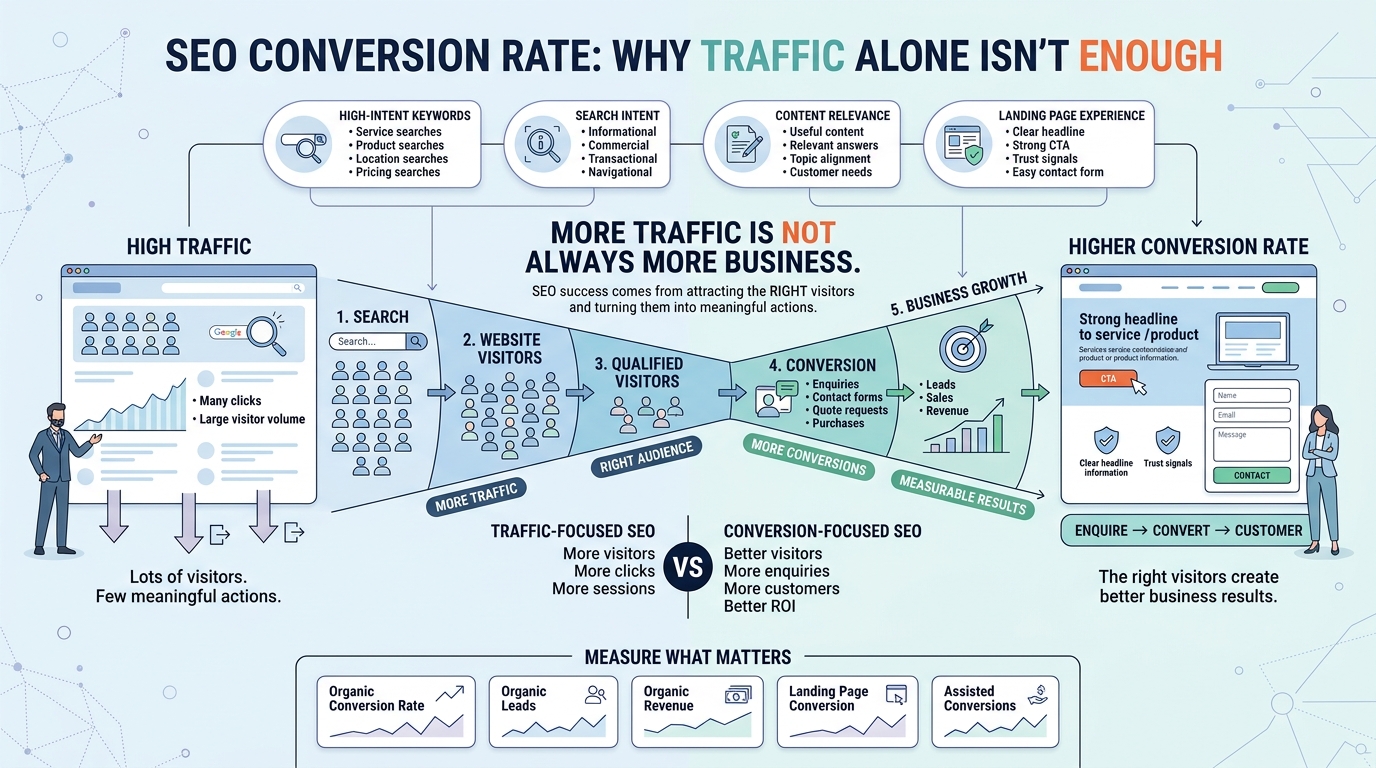
Unlike traditional advertising methods that target broad audiences, search engine marketing focuses on users with specific interests and intent. This makes digital marketing campaigns more efficient and cost-effective.
When users type search queries into Google, they are already looking for information, products, or services. Businesses that optimize for relevant keywords can connect directly with these users at the right moment.
This targeted approach improves:
- Lead quality
- User engagement
- Conversion rates
- Marketing efficiency
For instance, someone searching for “professional website design services” is more likely to become a customer than someone randomly seeing a generic advertisement. By appearing in relevant searches, businesses attract users who already have interest in their services.
Targeted traffic is valuable because it increases the chances of users taking action, whether making purchases, filling inquiry forms, or contacting businesses directly.
How Search Engine Marketing Attracts Targeted Audiences
Unlike traditional advertising methods that target broad audiences, search engine marketing focuses on users with specific interests and intent. This makes digital marketing campaigns more efficient and cost-effective.
When users type search queries into Google, they are already looking for information, products, or services. Businesses that optimize for relevant keywords can connect directly with these users at the right moment.
This targeted approach improves:
- Lead quality
- User engagement
- Conversion rates
- Marketing efficiency
For instance, someone searching for “professional website design services” is more likely to become a customer than someone randomly seeing a generic advertisement. By appearing in relevant searches, businesses attract users who already have interest in their services.
Targeted traffic is valuable because it increases the chances of users taking action, whether making purchases, filling inquiry forms, or contacting businesses directly.
The Role of Content in Search Engine Marketing
Content plays a major role in successful search engine marketing strategies. Search engines prioritize websites that provide useful, relevant, and high-quality information to users.
Businesses that regularly publish informative content can improve search rankings and build authority within their industries. Examples of effective content include:
- Blog articles
- Service pages
- Tutorials and guides
- FAQs
- Industry insights
High-quality content helps businesses target relevant keywords naturally while also improving user experience. When users find content valuable, they spend more time on the website and are more likely to engage with the business.
Well-optimized content also increases opportunities for backlinks and social sharing, both of which contribute to stronger search engine performance.
Instead of focusing only on keyword repetition, modern search engine strategies prioritize content that solves problems and answers user questions clearly.
User Experience and Website Performance
Search engines now place strong emphasis on user experience when ranking websites. A website that loads slowly or is difficult to navigate may struggle to rank well, even with good content.
This means businesses must ensure their websites are optimized for both users and search engines. Important factors affecting search engine marketing performance include:
- Fast loading speed
- Mobile responsiveness
- Easy navigation
- Secure browsing experience
- Clear website structure
A positive user experience encourages visitors to stay longer and interact with the website. Search engines interpret these behaviors as signals that the content is useful and relevant.
Mobile optimization is especially important because a large percentage of users browse websites using smartphones and tablets. Websites that perform poorly on mobile devices risk losing traffic and potential customers.
Long-Term Benefits of Search Engine Marketing
One reason businesses invest heavily in search engine marketing is the long-term value it provides. Unlike some advertising methods that stop producing results once campaigns end, search engine strategies can continue generating traffic over extended periods.
A well-optimized website with strong content can maintain rankings and attract visitors consistently. This helps businesses reduce reliance on short-term advertising while building sustainable online growth.
Long-term benefits include:
- Consistent organic traffic
- Improved online authority
- Reduced marketing costs over time
- Better brand credibility
Businesses that continue improving content, updating websites, and adapting to search engine changes are more likely to maintain strong performance in the future.
How Analytics Improve Marketing Strategies
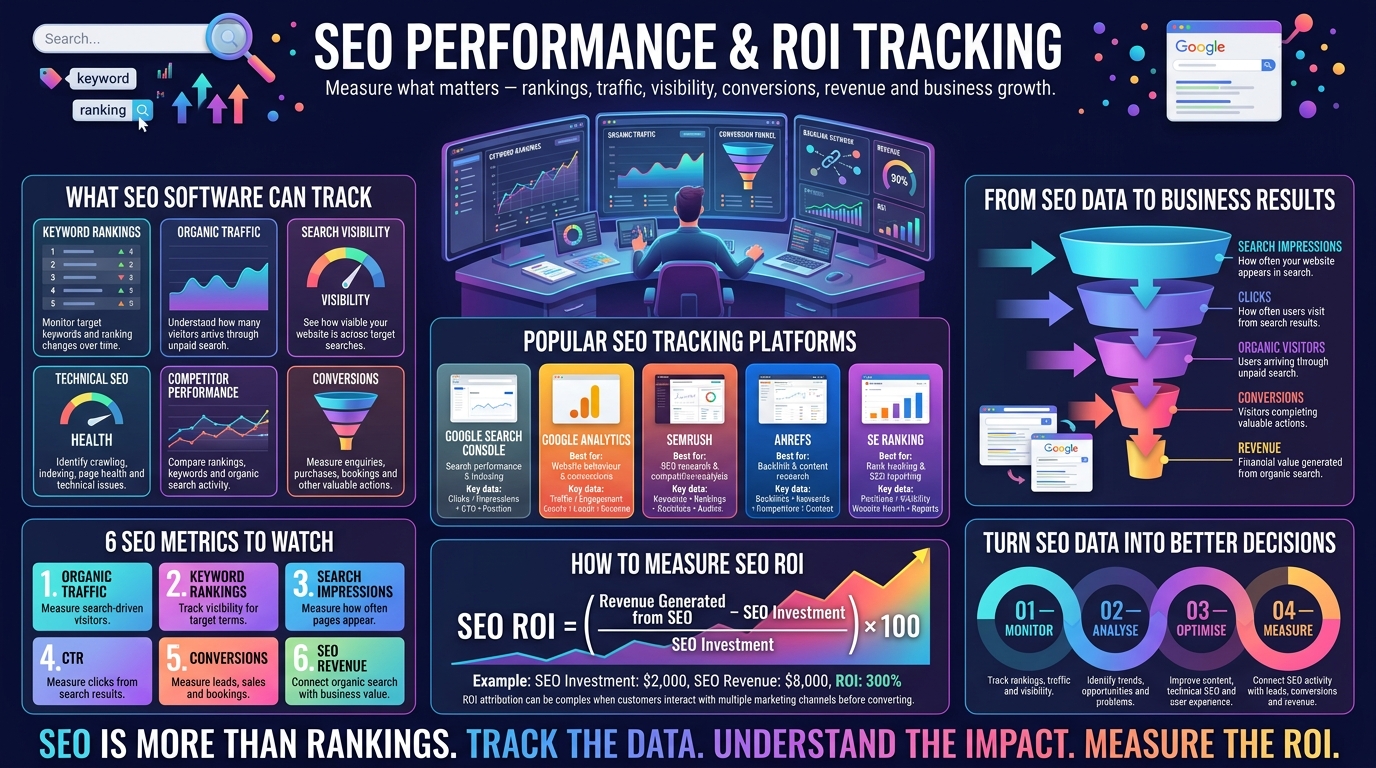
Analytics and performance tracking are important parts of digital marketing success. Search engine strategies provide businesses with valuable data that helps improve decision-making.
Using analytics tools, businesses can monitor:
- Website traffic sources
- User behavior
- Conversion rates
- Keyword performance
- Popular content pages
This information allows marketers to identify what strategies are working and where improvements are needed. Data-driven decisions help businesses optimize campaigns and maximize returns on investment.
For example, if certain keywords generate higher engagement and conversions, businesses can create more related content to strengthen performance further.
Future Trends in Search Engine Marketing
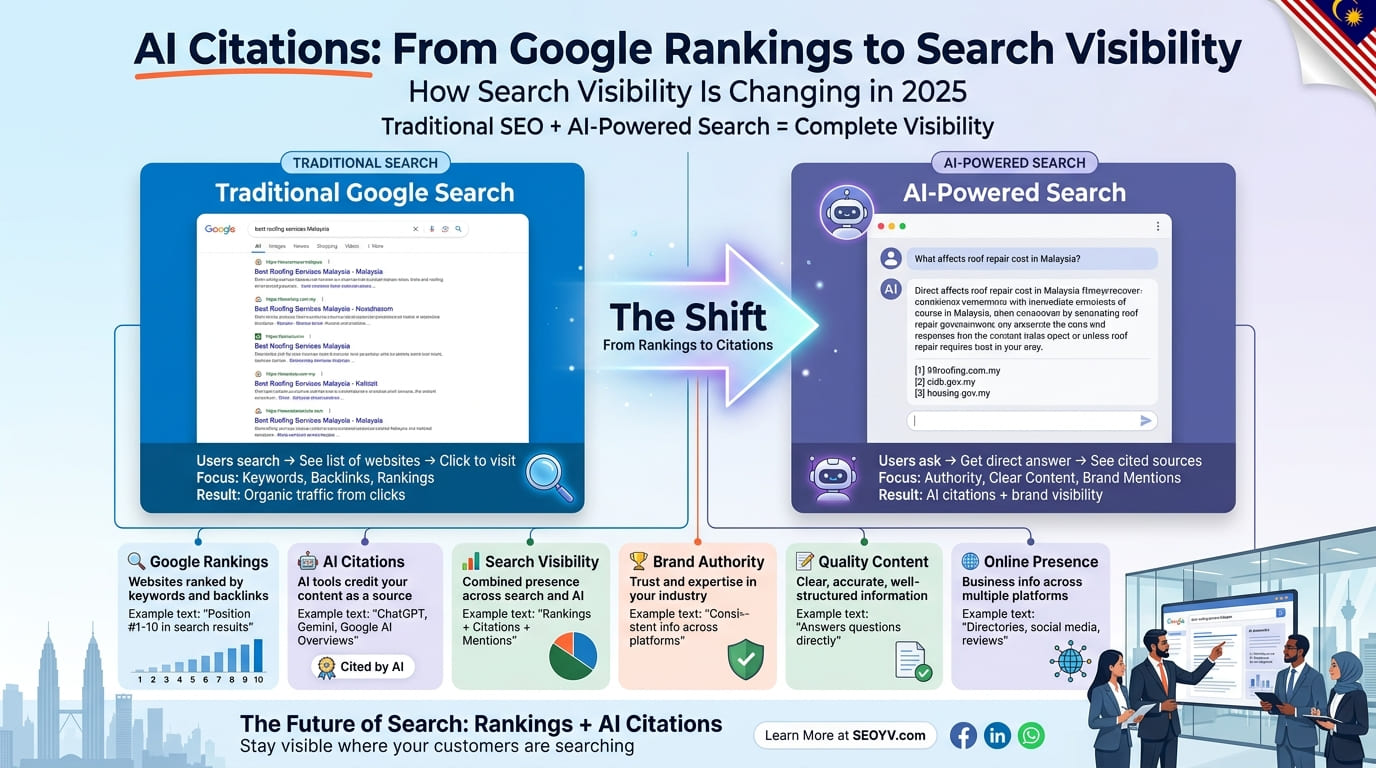
Digital marketing continues evolving rapidly, and businesses must adapt to new search engine trends to remain competitive. Emerging technologies and changing user behaviors are shaping the future of search engine marketing.
Important trends include:
- AI-powered search experiences
- Voice search optimization
- Personalized search results
- Mobile-first indexing
- Visual search technology
Businesses that stay updated with these trends can improve visibility and continue reaching audiences effectively. Adapting early to search engine changes provides long-term advantages in competitive industries.
Conclusion
Effective search engine strategies are essential for improving digital marketing results in today’s online landscape. Through better visibility, targeted traffic, high-quality content, and improved user experience, search engine marketing helps businesses strengthen their online presence and achieve sustainable growth.
As search engines continue evolving, businesses that focus on long-term optimization and user-focused strategies will remain more competitive. By investing in strong search engine marketing practices, companies can attract more customers, improve engagement, and achieve better overall marketing performance.
FAQs
1. What is search engine marketing?
Search engine marketing involves strategies used to improve online visibility through search engines using SEO and paid advertising.
2. Why is search engine marketing important?
It helps businesses attract targeted traffic, improve visibility, and increase conversions online.
3. How does content support search engine marketing?
High-quality content improves search rankings, user engagement, and website authority.
4. Does mobile optimization affect search engine marketing?
Yes, mobile-friendly websites perform better in search rankings and provide better user experience.