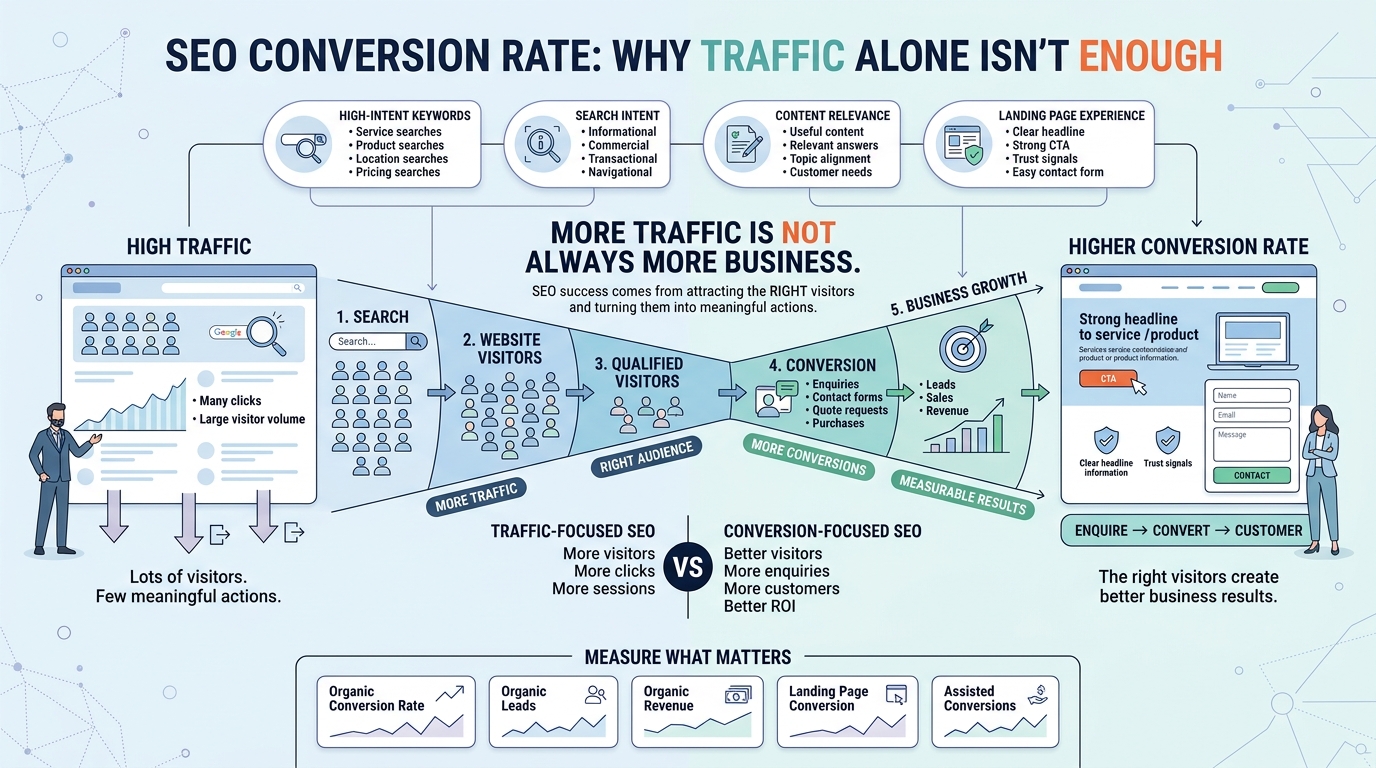
Search intent is one of the most important concepts in modern SEO. It refers to the reason behind a user’s search query—what they are actually trying to find, learn, or do when they type something into Google. Instead of focusing only on keywords, search engines now prioritize content that matches user intent. This means websites that understand and satisfy search intent are more likely to rank higher, attract relevant traffic, and improve engagement. In today’s SEO landscape, understanding search intent is essential for building successful content strategies.
What Is Search Intent in SEO
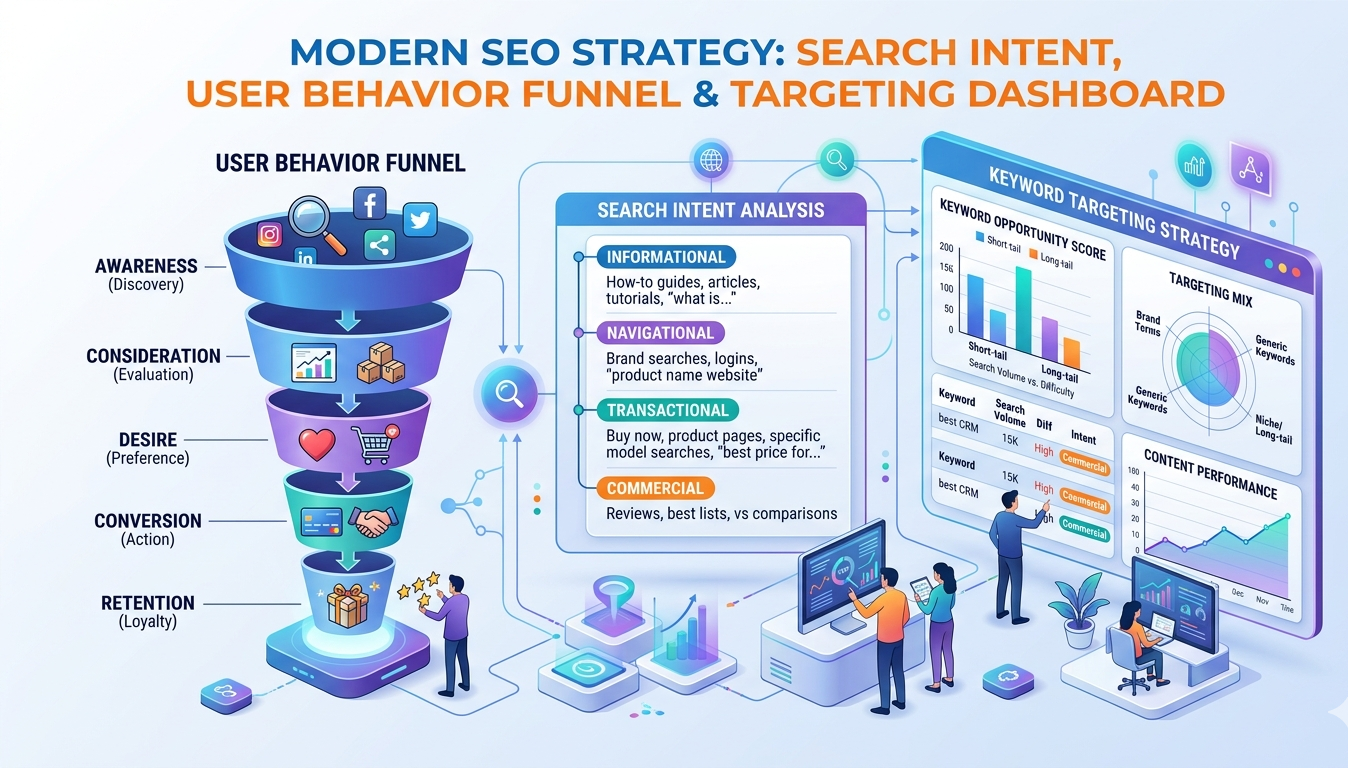
Search intent is the goal behind a user’s search. It explains why someone is searching for a specific keyword. There are generally four types of search intent: informational, navigational, transactional, and commercial investigation. Informational intent is when users want to learn something, while transactional intent means they are ready to take action like buying or signing up. Understanding these categories helps content creators align their pages with what users actually expect to see.
Why Search Intent Matters for Ranking
Google’s main goal is to provide the most relevant results for users. If your content matches search intent, it is more likely to appear higher in search results. Even if a page uses the right keywords, it may still rank poorly if it does not satisfy user intent. For example, if someone searches for “how to fix slow website,” they expect a guide—not a sales page. Matching intent improves rankings, reduces bounce rates, and increases user satisfaction.
Types of Search Intent Explained
Understanding different types of search intent helps improve content targeting. Informational intent focuses on learning and education, such as “what is SEO.” Navigational intent is when users search for a specific website or brand. Transactional intent shows purchase readiness, such as “buy SEO tools.” Commercial investigation is when users compare options before making a decision. Creating content that matches each type helps attract the right audience at the right stage.
How to Optimize Content for Search Intent
To optimize for search intent, content creators must first analyze keywords and understand what users expect. This includes studying top-ranking pages, identifying content format (blog, guide, product page), and matching user expectations. Content should clearly answer questions, provide useful information, and be structured in a way that satisfies the search goal. Using proper headings, examples, and detailed explanations improves relevance and ranking potential.
Common Mistakes in Ignoring Search Intent
Many websites fail in SEO because they focus only on keywords without understanding intent. A common mistake is writing content that does not match what users want. For example, targeting informational keywords with sales-heavy content can lead to poor engagement. Another mistake is ignoring content format—users expect different types of pages depending on their search. Avoiding these mistakes helps improve SEO performance significantly.
Conclusion
Search intent is a critical factor in modern SEO that determines how well content performs in search engines. By understanding what users are looking for and aligning content with their needs, websites can achieve better rankings, higher engagement, and improved traffic quality. Instead of focusing only on keywords, businesses should prioritize intent-driven content strategies for long-term SEO success.
More Info
Learn more about SEO strategies:
https://seoyv.com/
Explore more articles:
https://seoyv.com/#articles
FAQs
1. What is search intent in SEO?
It is the reason behind a user’s search query.
2. Why is search intent important?
It helps improve rankings and content relevance.
3. What are the types of search intent?
Informational, navigational, transactional, and commercial.
4. Can search intent affect SEO ranking?
Yes, it is a major ranking factor in Google.
5. How do I optimize for search intent?
By matching content with user expectations and search goals.