PageRank is one of the most important concepts in search engine optimization, yet many website owners still misunderstand how it works and why it matters today. Even though search algorithms have evolved significantly, the core idea behind pagerank continues to influence how websites are ranked in search results. Understanding this concept is essential for anyone who wants to improve their website visibility and authority online.
Originally developed by Larry Page and Sergey Brin, this algorithm changed how search engines evaluate web pages by focusing on link relationships rather than just keywords. Therefore, businesses that understand how pagerank works can build stronger SEO strategies and achieve better long-term rankings.
What Is PageRank and How Does It Work
PageRank is a system used by Google to measure the importance of web pages based on the number and quality of links pointing to them. Instead of simply counting keywords, it evaluates how websites are connected across the internet.
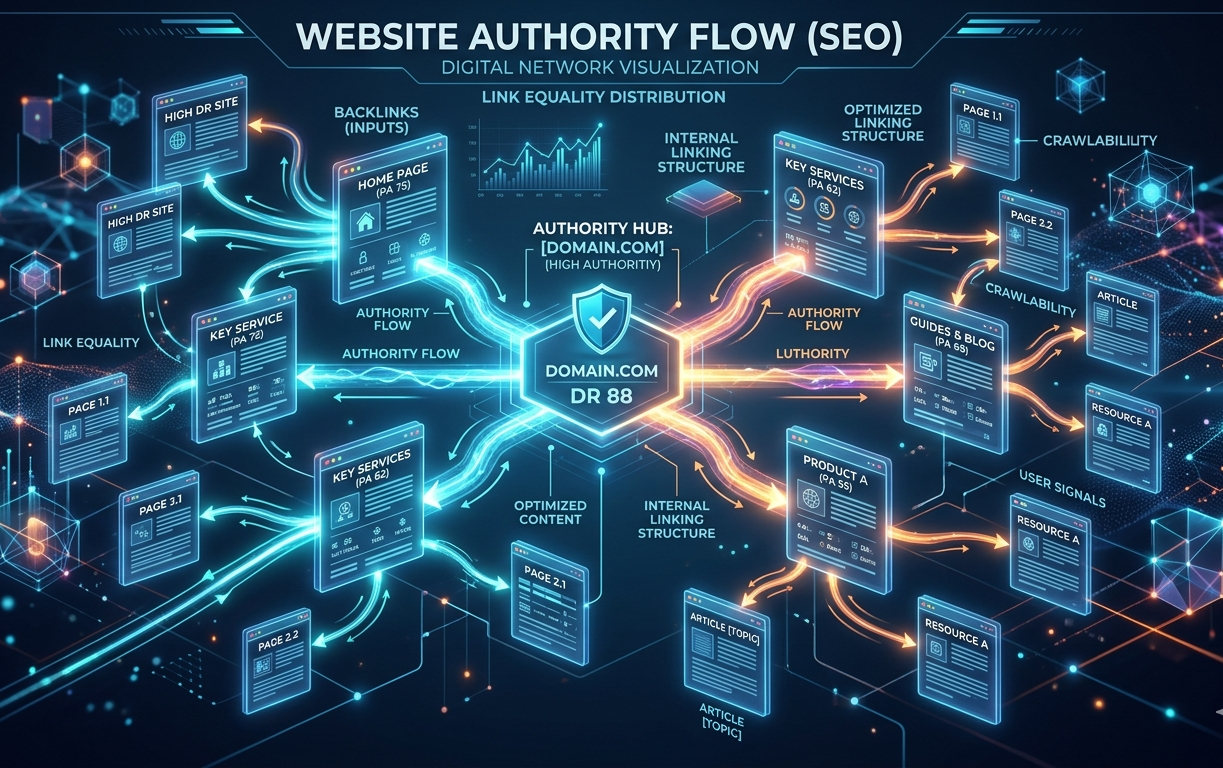
The idea behind pagerank is simple but powerful. When one website links to another, it acts like a vote of trust. However, not all links are equal. Links from authoritative websites carry more value than links from low-quality sources. This creates a network where authority flows from one page to another.
In technical terms, pagerank assigns a value to each page based on incoming links and their strength. The more high-quality links a page receives, the higher its perceived importance. As a result, pages with stronger link profiles are more likely to appear at the top of search results.
Why PageRank Changed SEO Forever
Before pagerank was introduced, search engines relied heavily on keyword matching. This made it easy for websites to manipulate rankings by stuffing keywords into their content. As a result, search results were often low quality and not relevant to users.
The introduction of pagerank solved this problem by focusing on authority rather than just content. It brought a new level of accuracy to search results by evaluating how websites are linked to each other. This innovation helped Google become the dominant search engine worldwide.
Even today, the influence of pagerank can still be seen in modern SEO practices. While the algorithm has evolved, link authority remains a critical factor in determining rankings.
Does PageRank Still Matter in Modern SEO
One of the most common questions is whether pagerank still matters today. The answer is yes, but not in the same way as before.
Google no longer publicly displays pagerank scores, and the algorithm has become much more complex. However, the concept of link authority still plays a major role in ranking websites. Modern SEO combines pagerank principles with other factors such as content quality, user experience, and relevance.
Therefore, even though pagerank is no longer visible, it continues to influence how search engines evaluate websites. Ignoring this concept can lead to weak SEO performance.
How PageRank Affects Your Website Ranking
Pagerank directly impacts how your website performs in search results. Websites with strong authority tend to rank higher because they are seen as more trustworthy and valuable.
This is why backlinks remain one of the most important ranking factors in SEO. When high-quality websites link to your content, they pass authority to your site. Over time, this improves your overall ranking potential.
However, it is important to focus on quality rather than quantity. A few strong links are often more valuable than many low-quality ones. This is because pagerank considers both the number and quality of incoming links.
What Type of Links Improve PageRank
Not all links contribute equally to pagerank. Understanding the difference between good and bad links is essential for building a strong SEO strategy.
High-quality links usually come from:
- Authoritative websites
- Relevant industry sources
- Trusted domains
On the other hand, low-quality links from spammy or unrelated sites can harm your SEO performance. Search engines are becoming smarter at detecting unnatural link patterns, so it is important to focus on genuine link-building strategies.
Building strong relationships, creating valuable content, and earning natural backlinks are the best ways to improve pagerank over time.
Common Misconceptions About PageRank
Many people misunderstand how pagerank works, which leads to ineffective SEO strategies.
One common misconception is that pagerank is no longer relevant. While it is true that the visible score has been removed, the underlying concept still exists within modern algorithms.
Another misconception is that more links automatically mean better rankings. In reality, link quality is far more important than quantity. Low-quality links can actually damage your website authority.
Understanding these misconceptions helps businesses avoid mistakes and build more effective SEO strategies.
How to Improve PageRank in 2026
Improving pagerank today requires a combination of smart strategies and consistent effort. Instead of focusing only on link quantity, businesses should prioritize quality and relevance.
Creating high-quality content is one of the most effective ways to attract backlinks naturally. When your content provides value, other websites are more likely to reference and link to it.
In addition, internal linking plays an important role in distributing authority across your website. By linking related pages together, you can improve overall site structure and help search engines understand your content better.
Building partnerships and collaborations with other websites can also help generate high-quality backlinks. This approach not only improves pagerank but also increases brand visibility.
The Relationship Between PageRank and Content Quality
While pagerank focuses on links, content quality remains equally important. Search engines aim to deliver the best possible results to users, which means both authority and relevance are considered.
High-quality content increases the chances of earning backlinks, which in turn improves pagerank. This creates a cycle where better content leads to stronger authority and higher rankings.
Therefore, businesses should not treat pagerank and content as separate strategies. Instead, they should combine both elements to achieve better SEO results.
Why Businesses Should Care About PageRank
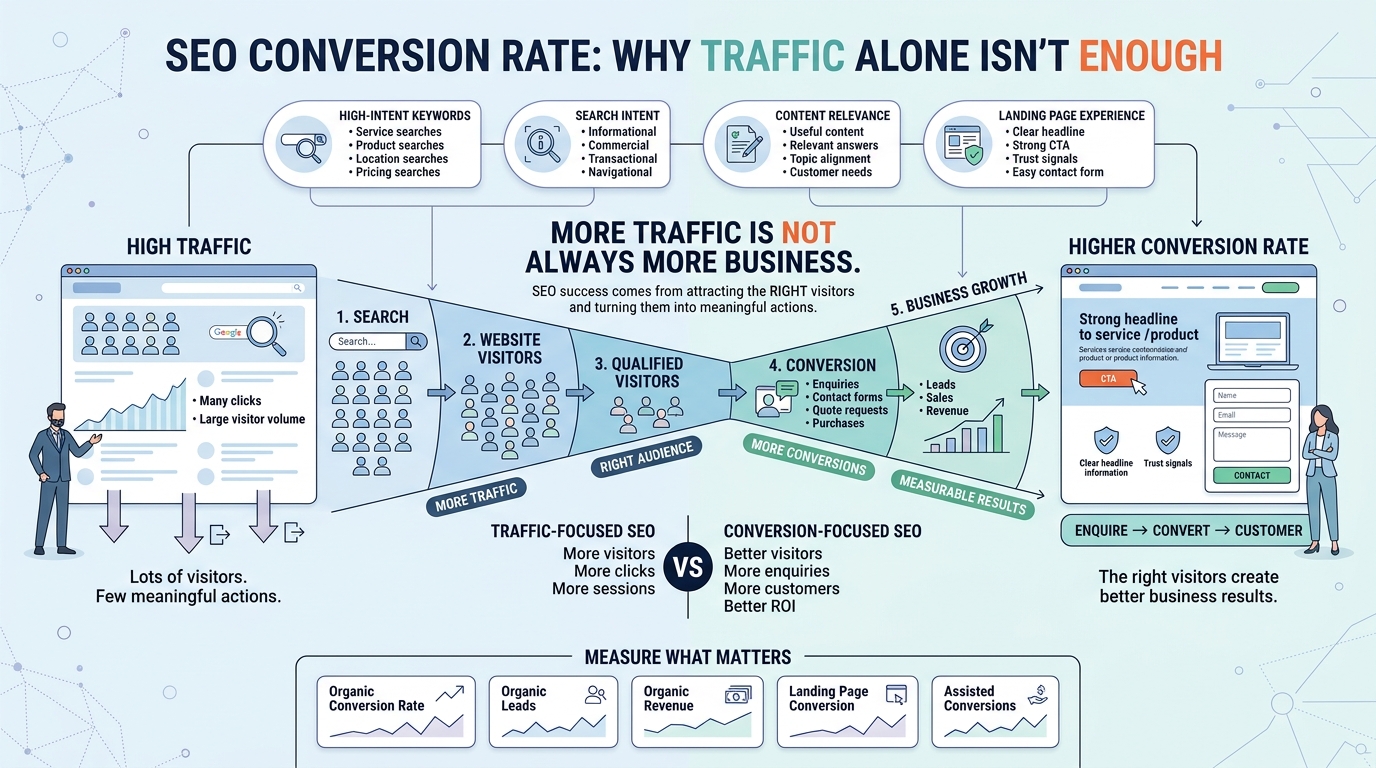
For businesses, pagerank is more than just a technical concept. It directly affects online visibility, traffic, and customer acquisition.
Websites with higher authority are more likely to appear in top search results, which increases the chances of attracting potential customers. This makes pagerank an important factor in digital marketing success.
Ignoring pagerank can result in weak online presence and missed opportunities. Therefore, businesses should focus on building authority through consistent SEO efforts.
Conclusion
Pagerank remains a fundamental concept in SEO, even in 2026. Although the algorithm has evolved, the idea of link-based authority continues to influence search rankings.
Understanding how pagerank works allows businesses to build stronger SEO strategies and improve their online visibility. By focusing on quality content, strong backlinks, and proper website structure, it is possible to achieve long-term success in search rankings.
In today’s competitive digital landscape, mastering pagerank is not optional—it is essential for sustainable growth.
More Info
Learn more about SEO services:
https://seoyv.com/
Explore SEO strategies and solutions:
https://seoyv.com/#SEOYV-Plan
Reference:
https://developers.google.com/search
FAQs
1. What is pagerank in simple terms?
It is a system used by Google to measure the importance of web pages based on links.
2. Is pagerank still used today?
Yes, although not publicly visible, its concept is still part of modern SEO.
3. How can I improve pagerank?
Focus on high-quality backlinks, content creation, and proper internal linking.
4. Are backlinks still important?
Yes, they remain one of the strongest ranking factors in SEO.
5. Does pagerank guarantee top ranking?
No, it is only one of many factors used by search engines.