Search engines have evolved far beyond simple keyword matching. Today, Google focuses on understanding what users truly want when they type a query. That’s why learning how to optimize for search intent is essential for modern marketers. If your content doesn’t match user expectations, it won’t rank — no matter how strong your backlinks or technical SEO may be. In this complete guide, you’ll learn what search intent is, why it matters, and how to align your content strategy with real user needs to improve rankings, traffic quality, and conversions.
What Is Search Intent and Why It Matters
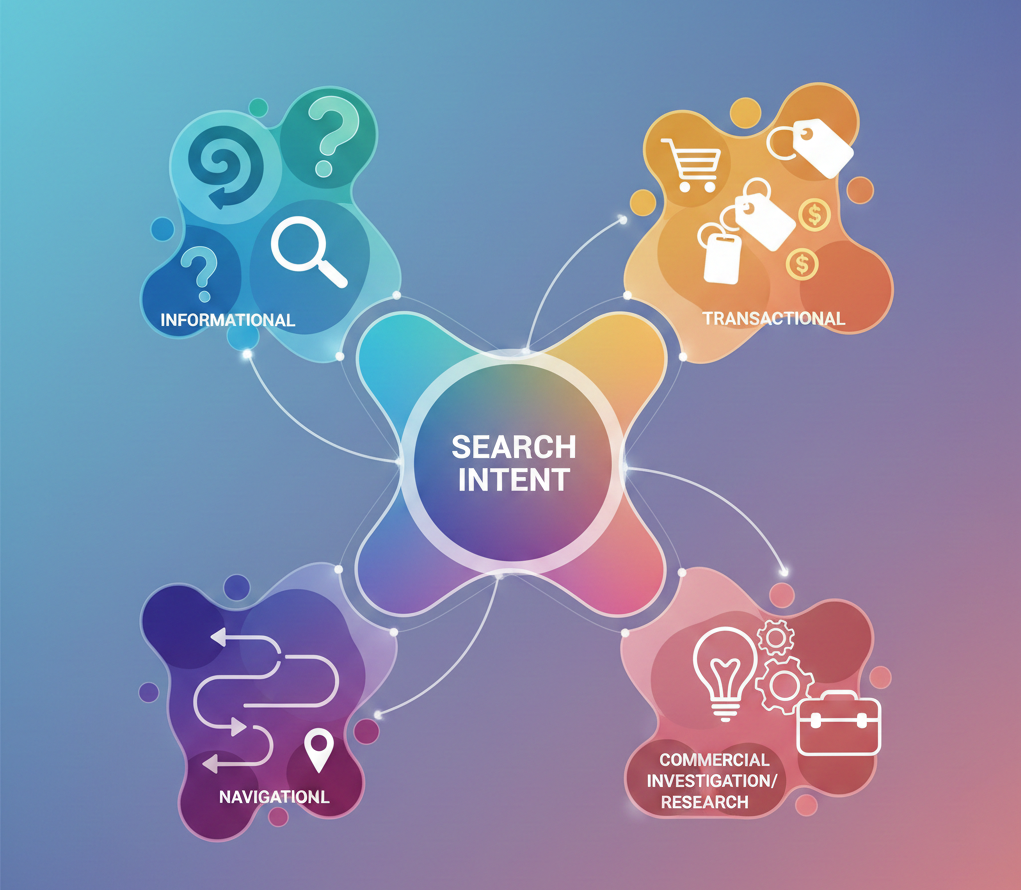
Search intent refers to the reason behind a user’s search query. In other words, it explains what someone hopes to find when typing a keyword into Google. There are four main types of intent: informational, navigational, commercial, and transactional.
Informational intent happens when users want knowledge. For example, someone searching “what is SEO” expects an explanation, not a product page. Navigational intent occurs when users want a specific website. Commercial intent shows research behavior before a purchase, such as “best SEO tools 2026.” Transactional intent signals readiness to act, like “buy SEO software subscription.”
Understanding these differences is critical. When you optimize for search intent correctly, you increase dwell time, reduce bounce rates, and improve engagement signals. As a result, search engines reward your page with better visibility.
Without intent alignment, even high-volume keywords won’t convert. Therefore, matching content to user expectations should be the foundation of every SEO strategy.
How to Identify Search Intent for Any Keyword
Before creating content, you must analyze the keyword carefully. First, search the term in Google and examine the top 10 results. Are they blog posts, product pages, category listings, or videos? The format reveals the dominant intent.
Next, review SERP features. Featured snippets usually indicate informational intent. Shopping ads suggest transactional intent. Comparison articles signal commercial investigation intent.
Additionally, pay attention to wording. Words like “how,” “guide,” and “tips” often indicate informational queries. Meanwhile, phrases such as “price,” “buy,” or “discount” signal purchase intent.
You should also use SEO tools to analyze keyword modifiers and related questions. However, tools alone are not enough. Manual SERP review remains one of the most reliable methods to determine how to optimize for search intent effectively.
By combining keyword research with SERP analysis, marketers can create content that aligns naturally with what users expect.
How to Structure Content to Match Search Intent
Once you identify intent, the next step is structuring your content accordingly. For informational queries, provide clear definitions at the beginning. Then, expand with practical examples, visuals, and step-by-step instructions. This approach increases your chances of earning featured snippets.
For commercial intent, comparison tables, pros and cons lists, and expert recommendations work best. Readers at this stage need clarity and confidence before making a decision.
Transactional pages require strong calls to action, clear pricing details, trust signals, and simplified navigation. In contrast, navigational queries need optimized brand pages and accurate metadata.
Moreover, formatting plays a big role. Use short paragraphs, descriptive headings, and logical content flow. Transition words such as “however,” “for example,” and “in addition” improve readability and help guide readers smoothly.
When your content format matches the dominant intent, Google recognizes relevance more easily — and rankings improve over time.
Common Mistakes When Optimizing for Search Intent
Many marketers make the mistake of targeting keywords without analyzing intent. As a result, they publish informational articles for transactional keywords or create sales pages for informational searches. This mismatch confuses both users and search engines.
Another common issue is over-optimization. Stuffing the focus keyphrase repeatedly does not help. Instead, focus on answering related questions naturally.
Additionally, ignoring content depth can hurt performance. Thin content rarely satisfies user expectations. Google prefers comprehensive pages that fully address the topic.
Finally, failing to update content regularly may cause rankings to decline. Search intent can shift over time. Therefore, reviewing and refreshing your pages ensures continued relevance.
Avoiding these mistakes helps build stronger authority and long-term SEO success.
How Search Intent Improves Conversions
Optimizing for search intent doesn’t just increase traffic — it improves conversion quality. When visitors land on a page that matches their expectations, they stay longer and engage more deeply.
For example, users with commercial intent are closer to making a decision. Providing detailed comparisons and clear benefits helps move them toward action. Meanwhile, informational content builds trust and authority, which supports future conversions.
Because Google prioritizes user satisfaction, intent-aligned content naturally earns better engagement metrics. Over time, this leads to higher rankings and stronger brand credibility.
In short, aligning your strategy with search intent transforms random traffic into meaningful business growth.
FAQs
What does it mean to optimize for search intent?
It means creating content that directly matches the purpose behind a user’s search query.
Why is search intent important for SEO?
Search engines prioritize pages that satisfy user expectations. Matching intent improves rankings and engagement.
How do I know which intent my keyword has?
Analyze the top search results, SERP features, and keyword modifiers to identify the dominant intent.
Can one keyword have multiple intents?
Yes. However, usually one intent dominates the first page results, and that is the one you should target.
Conclusion
Search engines continue to evolve, but one principle remains constant: user satisfaction comes first. When you optimize for search intent, you create content that answers real questions, solves real problems, and drives meaningful engagement. Instead of chasing keywords blindly, focus on understanding the purpose behind each search.
If you want help building an intent-driven SEO strategy that delivers measurable results, contact SEOYV today and start turning search visibility into real growth.